Guidelines for Writing a Character Analysis Essay
Guidelines for Writing a Character Analysis Essay: A Complete Academic Guide
A character analysis essay is a common assignment in literature studies. It requires students to examine a character in depth and explain how that character contributes to the story’s meaning. Writing a strong character analysis essay involves careful reading, critical thinking, and clear organization. Rather than summarizing the plot, the writer focuses on character traits, motivations, development, and significance.
This article provides clear guidelines for writing a character analysis essay, including structure, examples, writing tips, and common mistakes. By following these guidelines, you can write a well-organized and insightful essay.
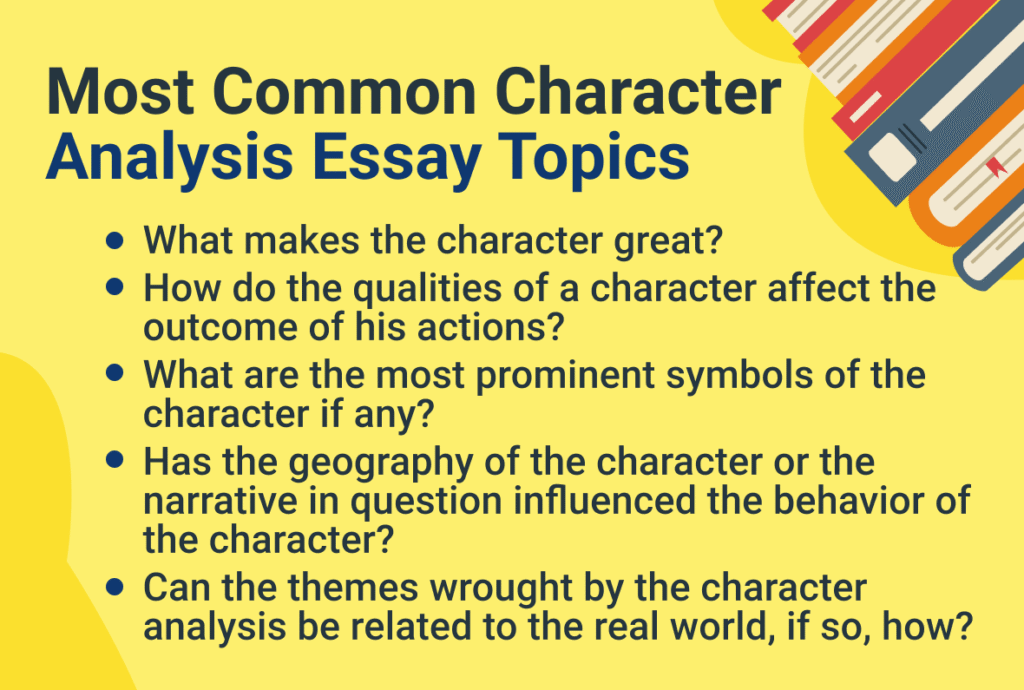
Guidelines for Writing a Character Analysis Essay
A character analysis essay is a type of literary analysis that explores a character’s:
- Personality traits
- Motivations and goals
- Relationships with other characters
- Development throughout the story
- Role in the theme or message of the text
- Guidelines for Writing a Character Analysis Essay
The essay uses evidence from the text, such as quotations and events, to support the analysis.
Purpose of a Character Analysis Essay
The main purpose of a character analysis essay is to:
- Demonstrate understanding of a literary work
- Analyze how a character influences the plot and themes
- Develop critical reading and writing skills
- Support arguments with textual evidence
This type of essay goes beyond storytelling and focuses on interpretation.
Types of Characters to Analyze
Before writing, it is important to understand the type of character you are analyzing.
1. Protagonist
The main character who drives the story forward.
Example:
- Hamlet in Hamlet
2. Antagonist
The character who opposes the protagonist.
Example:
- Iago in Othello
3. Dynamic Character
A character who undergoes significant change.
Guidelines for Writing a Character Analysis Essay
4. Static Character
A character who remains mostly the same throughout the story.
5. Round Character
A complex character with multiple traits.
6. Flat Character
A simple character with limited traits.
Steps to Write a Character Analysis Essay
Writing a successful character analysis essay involves several clear steps.
1. Read the Text Carefully
Careful reading is the foundation of character analysis.
Tips:
- Read the text more than once
- Highlight important scenes involving the character
- Take notes on actions, dialogue, and descriptions
- Guidelines for Writing a Character Analysis Essay
Pay attention to how the character behaves in different situations.
2. Choose a Focused Character
Select a character who:
- Plays an important role in the story
- Shows development or complexity
- Supports meaningful analysis
Avoid choosing characters with little presence or depth.
3. Identify Key Character Traits
Character traits are qualities that define the character.
Examples of Traits:
- Brave
- Ambitious
- Selfish
- Loyal
- Intelligent
Support each trait with textual evidence.
4. Analyze Character Motivation
Motivation explains why the character behaves in certain ways.
Questions to Ask:
- What does the character want?
- What fears or desires influence their actions?
- How do goals change over time?
- Guidelines for Writing a Character Analysis Essay
Understanding motivation adds depth to the analysis.
5. Examine Character Development
Character development shows how the character changes or remains the same.
Points to Consider:
- Growth or decline
- Changes in beliefs or behavior
- Lessons learned
- Guidelines for Writing a Character Analysis Essay
Dynamic characters are often central to strong essays.
6. Explore Relationships with Other Characters
Relationships reveal important aspects of a character’s personality.
Examples:
- Conflict with other characters
- Loyalty or betrayal
- Influence on others
These interactions help shape the character’s role in the story.
7. Connect the Character to the Theme
A strong character analysis essay links the character to the story’s themes.
Examples of Themes:
- Power
- Identity
- Love
- Revenge
- Morality
Explain how the character represents or challenges these themes.
Structure of a Character Analysis Essay
Proper structure is essential for clarity and coherence.
Introduction Paragraph
The introduction should:
- Introduce the literary work and author
- Name the character being analyzed
- Present a clear thesis statement
Example Thesis Statement:
- Through ambition and moral conflict, Macbeth reveals the destructive power of unchecked desire.
Body Paragraphs
Each body paragraph should focus on one main idea.
Suggested Structure:
- Topic sentence
- Explanation of the trait or idea
- Evidence from the text (quotation or example)
- Analysis of the evidence
Avoid summarizing the plot.
Conclusion Paragraph
The conclusion should:
- Restate the thesis in new words
- Summarize key points
- Explain the character’s overall significance
Do not introduce new evidence in the conclusion.
Using Evidence Effectively
Evidence strengthens your argument.
Types of Evidence:
- Direct quotations
- Paraphrased events
- Dialogue examples
Always explain how the evidence supports your point.
Language and Tone
Use:
- Formal academic language
- Present tense when discussing literature
- Clear and precise vocabulary
Avoid informal expressions and personal opinions unless required.
Common Mistakes in Character Analysis Essays
Avoid these common errors:
1. Plot Summary Instead of Analysis
Focus on interpretation, not retelling the story.
2. Weak Thesis Statement
Your thesis should make an arguable claim.
3. Lack of Evidence
Every claim must be supported by the text.
4. Ignoring Character Development
Analyze changes throughout the story.
5. Poor Organization
Use clear paragraphs and logical flow.
Tips for Writing a Strong Character Analysis Essay
- Choose a clear focus
- Support ideas with evidence
- Analyze, don’t summarize
- Revise and edit carefully
- Follow assignment guidelines
Strong planning leads to strong writing.
Character Analysis Essay Example Topic
- Analyze the moral conflict in Macbeth
- Discuss the transformation of Elizabeth Bennet
- Examine the ambition of Jay Gatsby
Choosing a focused topic improves clarity.
Conclusion
Writing a character analysis essay requires careful reading, critical thinking, and clear organization. By following these guidelines, you can effectively analyze a character’s traits, motivations, development, and role in the story. A well-written character analysis essay demonstrates a deep understanding of literature and strengthens analytical writing skills.
Frequently Asked Questions (FAQs)
1. What is a character analysis essay?
It is an essay that examines a character’s traits, motivations, and role in a literary work.
2. How long should a character analysis essay be?
Length depends on academic requirements, but most are 800–2000 words.
3. Can I include quotations in a character analysis essay?
Yes, quotations are important for supporting analysis.
4. Should I summarize the plot?
Only briefly. Focus on analysis rather than summary.
5. What tense should I use?
Use present tense when discussing literary works.
6. Can I analyze a minor character?
Yes, if the character plays a meaningful role.
7. How do I write a strong thesis statement?
Make a clear, specific, and arguable claim about the character.